
Rome

Pope Francis passed away on 21 April 2025 at the age of 88. After his funeral in Piazza San Pietro, Francis was buried in the Santa Maria Maggiore. Following a period of mourning, the Conclave convened. After just four ballots, white smoke rose from the chimney of the Sistine Chapel: Habemus Papam! The cardinals elected Robert Prevost as Francis’ successor. He took the name Pope Leo XIV.

In 1847, Pope Pius IX introduced the 'Cannone del Mezzogiorno' to synchronize clocks and church bells in Rome. However, the 'Crazy Clock' on the Palazzo del Monte di Pietà still shows the wrong time. The watchmaker allegedly sabotaged it over a payment dispute, resulting in its perpetual inaccuracy. Despite having multiple mechanisms, it has never displayed the correct time.

Rome boasts nearly 1,000 churches, making it the city with the most churches globally. However, this abundance posed a challenge in synchronizing church bells. To address this, Pope Pius IX introduced the Cannone del Mezzogiorno in 1847, firing a cannon at noon to standardize time. This tradition continues today, with the cannon now located at Gianicolo. The tradition adds to the charm of Rome.
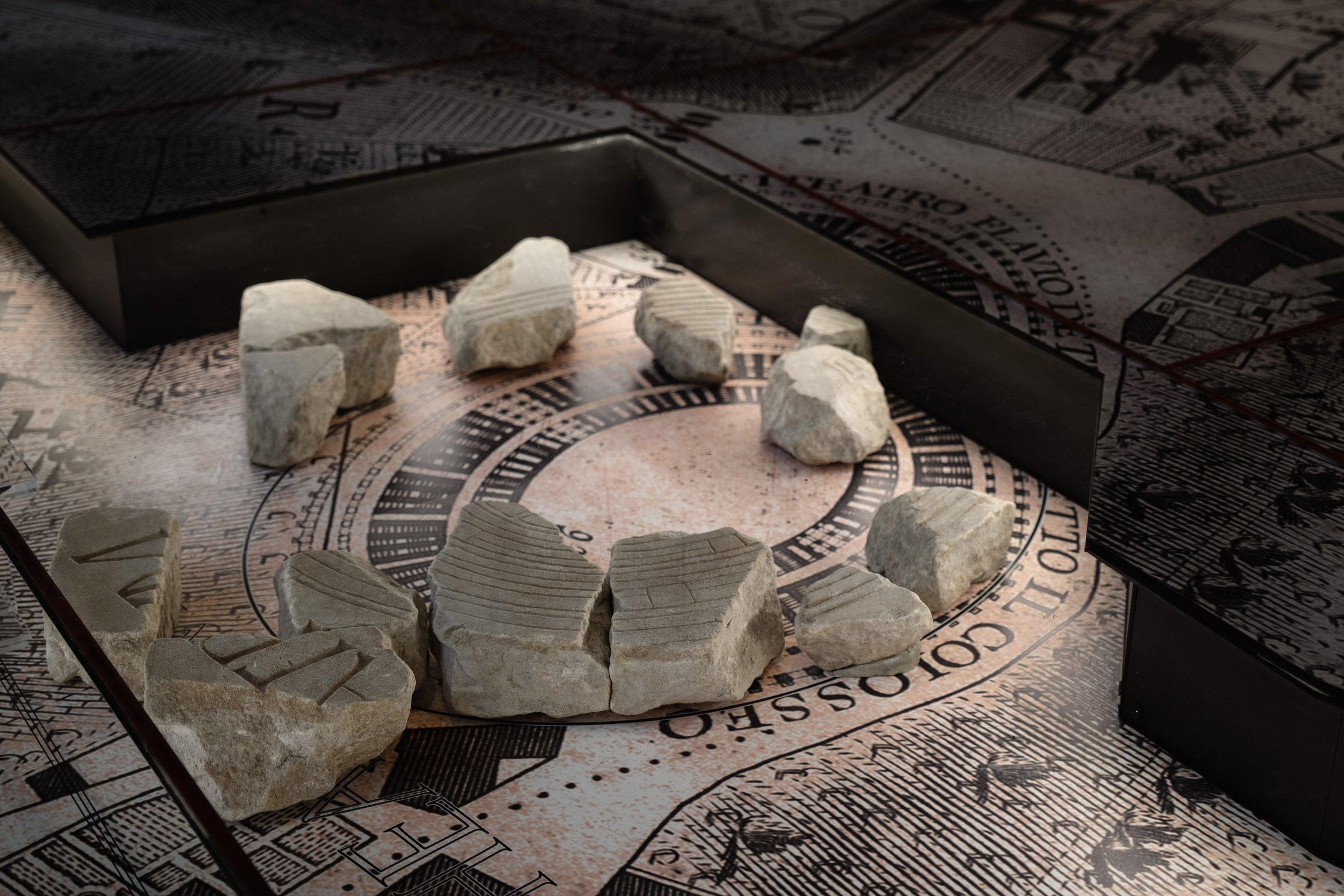
Are you exploring a new city? Then, chances are you're using a mobile app or a traditional folded map to find your way around. Whether digital or paper, maps have become an integral part of our daily lives. We've grown so accustomed to using them …

The Area Sacra di Largo Argentina, near the Pantheon, features the remains of four Roman temples and is known for its cat sanctuary. Recently opened to the public, it offers a glimpse into its rich history as part of the Campus Martius floodplain. Temples were built for various deities, and the site is historically significant for Julius Caesar's assassination in 44 BC.

Each April 21st, Rome celebrates its birthday, Natale di Roma. The celebrations feature reenactments held throughout the historic center, including the legendary tale of the twins Romulus and Remus. The festivities also highlight a Historical Parade with over 1,500 participants. An equally impressive sight occurs at the Pantheon, where sunlight beautifully illuminates the entrance.

Rome is renowned for its history and landmarks like the Colosseum and Vatican, yet many tourists overlook the lesser-known Gasometro in the Ostiense district. This area was industrialized in the late 19th and early 20th centuries. The Gasometro, a 90-meter-high gas storage became obsolete in the 1960s but is now a cultural hub, showcasing adaptive reuse of industrial heritage.

Near Termini station lies the Porta Magica, a 17th-century relic tied to alchemy. Once part of Villa Palombara, it features symbols left by alchemist Giuseppe Francesco Borri, who allegedly found a way to turn metals into gold. Though now fenced off, the gate remains a mysterious monument in Piazza Vittorio, inviting curious visitors to decode its secrets.
On 2–3 June 1946, Italians voted in a historic referendum: monarchy or republic? With 54.3%, the republic won. Every June 2nd, this moment is celebrated during the Festa della Repubblica, with parades and the Frecce Tricolori soaring through the sky. State museums and archaeological sites across Italy offer free entry.